Effective Solutions for Condo Water Leaks: Your Guide to Condo Leakage Repair

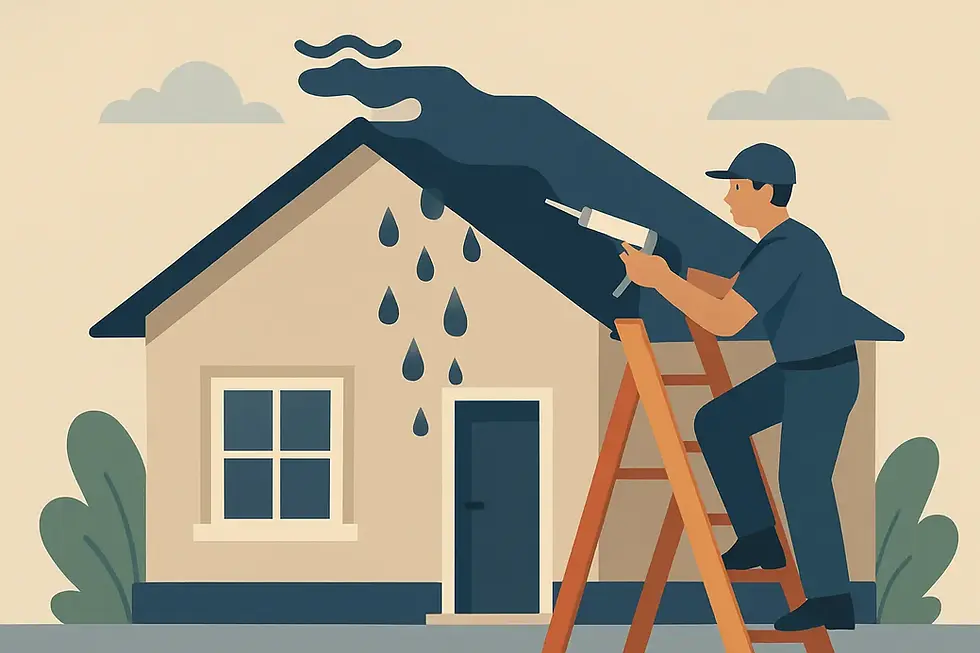
Water leaks in a condo can quickly turn from a minor annoyance into a costly problem. I’ve seen how small drips can lead to damaged walls, mould growth, and even structural issues. That’s why understanding effective condo leakage repair is crucial. In this post, I’ll walk you through practical steps to identify, address, and prevent water leaks in your condo. Whether you’re dealing with an active leak or want to safeguard your home, these solutions will help you protect your investment.
Understanding Condo Leakage Repair: What You Need to Know
When it comes to condo leakage repair, the first step is understanding where leaks commonly occur. Pipes, windows, balconies, and roofs are typical trouble spots. Water can sneak in through tiny cracks or faulty seals. The key is to catch leaks early before they cause serious damage.
Here’s what I recommend:
Inspect regularly: Check your condo for signs of moisture, such as water stains, peeling paint, or musty smells.
Know your condo’s layout: Familiarise yourself with plumbing and drainage systems. This helps pinpoint potential leak sources.
Act fast: The longer a leak goes unnoticed, the worse the damage. Don’t delay repairs.
For example, a leaking pipe behind a wall can cause hidden damage. You might notice a damp patch or hear dripping sounds. In such cases, calling a professional for a thorough inspection is essential.

Practical Steps for Condo Leakage Repair
Once you identify a leak, the next step is repair. Here’s a straightforward approach to condo leakage repair that I’ve found effective:
Stop the water source: Turn off the main water supply if the leak is severe.
Dry the affected area: Use fans or dehumidifiers to prevent mould growth.
Fix the leak: Depending on the cause, this might mean sealing cracks, replacing damaged pipes, or resealing windows.
Check for secondary damage: Look for mould, warped materials, or electrical hazards.
Prevent future leaks: Apply waterproof coatings or install better drainage systems.
For example, if your balcony is leaking, resealing the joints and applying a waterproof membrane can stop water from seeping inside. If the leak is from plumbing, replacing old pipes with modern, corrosion-resistant materials is a smart move.
Remember, some repairs are DIY-friendly, but many require professional expertise. Don’t hesitate to seek help if you’re unsure.

Does HOA Cover Water Leaks?
A common question I get is whether the Homeowners Association (HOA) covers water leaks. The answer depends on your condo’s bylaws and the source of the leak.
Common areas: If the leak originates from shared spaces like roofs, pipes in walls, or plumbing systems maintained by the HOA, they usually handle repairs.
Individual units: Leaks inside your unit, such as from your bathroom or kitchen, are typically your responsibility.
Shared walls or floors: Sometimes, leaks affect multiple units. In such cases, the HOA and unit owners may share repair costs.
It’s important to review your condo’s governing documents and communicate with your HOA promptly. Document the leak and any damage with photos and written reports. This helps clarify responsibility and speeds up the repair process.
Preventing Water Leaks: Tips That Work
Prevention is always better than repair. Here are some practical tips to keep your condo leak-free:
Regular maintenance: Schedule inspections for plumbing, roofing, and waterproofing.
Seal windows and doors: Use weatherstripping and caulking to block water entry.
Clean gutters and drains: Ensure water flows away from your condo.
Monitor humidity levels: Use dehumidifiers to reduce moisture indoors.
Install water sensors: These devices alert you to leaks early.
By taking these steps, you reduce the risk of costly repairs and keep your home safe and dry.
If you want to explore more about condo water leakage solutions, there are advanced technologies and professional services designed to provide permanent protection against leaks.
When to Call a Professional for Condo Leakage Repair
Not all leaks are simple fixes. Sometimes, professional help is necessary. Here’s when you should call an expert:
Persistent leaks: If a leak keeps coming back despite your efforts.
Hidden leaks: Water stains or mould without an obvious source.
Structural damage: Cracks in walls, sagging ceilings, or warped floors.
Electrical risks: Water near outlets or wiring.
Complex plumbing systems: Older buildings with complicated pipe layouts.
Professionals use specialised tools like moisture meters, thermal cameras, and pipe locators to find and fix leaks accurately. They also apply advanced waterproofing methods that last longer and prevent future problems.
Protecting Your Condo Investment with Long-Term Solutions
Water leaks can cause serious damage and reduce your condo’s value. That’s why investing in long-term solutions is smart. Here are some options I recommend:
Waterproof membranes: Applied to balconies, roofs, and walls to block water.
Pipe replacement: Upgrading old plumbing to durable materials.
Drainage improvements: Installing better gutters and downspouts.
Regular professional inspections: Catch issues before they escalate.
These measures might cost more upfront but save you money and stress in the long run. Plus, they give you peace of mind knowing your home is protected.
Water leaks don’t have to be a nightmare. With the right knowledge and action, you can tackle condo leakage repair effectively. Stay vigilant, act quickly, and invest in quality solutions to keep your condo dry and safe for years to come.


Comments