
Why Is My Ceiling Bubbling? Common Causes
- Waterproofing Specialist

- 1 day ago
- 6 min read
A ceiling does not start bubbling for no reason. If you are looking up why is my ceiling bubbling, the real question is usually bigger: where is the moisture coming from, how bad is the damage, and can it be stopped before the ceiling gives way.
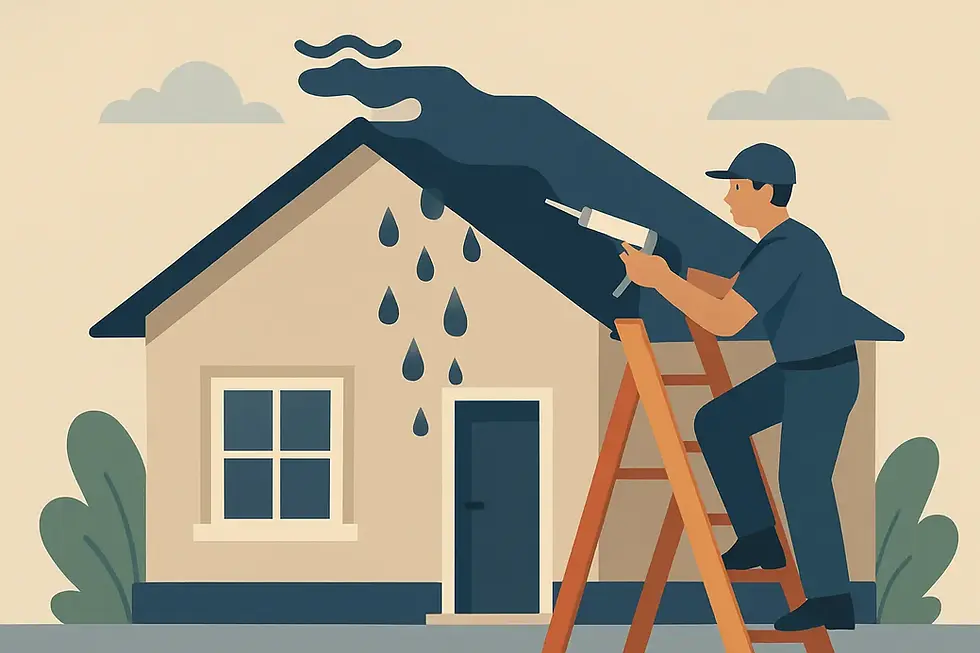
In most homes, bubbling paint or plaster is a water problem first and a ceiling problem second. The visible bubble is just the symptom. The actual failure may be coming from a roof leak, an upstairs bathroom, a balcony slab, exterior wall seepage, or condensation trapped over time. If the source is not identified correctly, repainting or patching the surface will only hide the warning sign for a short while.
Why is my ceiling bubbling in the first place?
Ceiling bubbling happens when moisture gets behind paint, joint compound, plaster, or skim coat and weakens the bond to the surface underneath. As water builds up or repeatedly dampens the area, the finish lifts, swells, and forms blisters or soft raised patches.
Sometimes the bubbling looks small and harmless, like a few paint blisters near a corner. Other times it shows up as sagging, staining, cracking, or peeling across a wider section. The size of the bubble does not always tell you how serious the leak is. A small bubble can come from a hidden but active leak. A large one may come from long-term moisture that has been spreading quietly above the ceiling for weeks.
The key point is simple: bubbling means the ceiling system has already been affected by water or humidity. That is why surface repair alone rarely lasts.
The most common causes of a bubbling ceiling
The source depends on what sits above or beside the damaged area. In leak diagnosis, location matters.
Roof leaks
If the bubbling is on the top floor, especially below a flat roof, pitched roof, roof valley, flashing line, or parapet, a roof leak is a strong suspect. Rainwater can enter through damaged waterproofing, failed flashing, cracked roof membranes, or small gaps around penetrations. It then travels along structural elements before finally showing up in the ceiling below.
This is one reason homeowners get misled. The bubble may appear in one room, while the roof failure is several feet away.
Upstairs bathroom leaks
A bathroom above the damaged ceiling is another frequent cause. Failed shower waterproofing, leaking toilet seals, cracked grout, broken pipe joints, and poor floor drainage can all allow water to escape into the slab or ceiling cavity below.
Bathroom leaks are often intermittent. The ceiling may bubble more after showers, mopping, or heavy use, then seem to dry out. That stop-start pattern makes many people delay action, but repeated wetting is exactly what causes finishes to fail over time.
Balcony and terrace seepage
If the room sits below a balcony or terrace, failed waterproofing is a common culprit. Water can penetrate through cracked tiles, deteriorated membrane layers, open joints, and poor drainage details. From there, moisture migrates downward and affects the ceiling below.
This kind of seepage is especially common after storms, but it can also build slowly from routine washing or trapped standing water.
Exterior wall intrusion
Water entering from an external wall can travel into ceiling edges, corners, or the junction where wall meets ceiling. Cracks in facade render, failed sealant, porous masonry, and exposed wall defects all allow water to infiltrate.
This cause is often overlooked because people expect ceiling bubbling to come only from directly overhead. In reality, water can travel sideways before becoming visible.
Plumbing leaks
Burst or dripping pipes, leaking HVAC drain lines, and supply line failures can all create ceiling bubbling. These leaks may be steady or slow. Slow leaks are often more deceptive because they create hidden moisture damage without obvious dripping at first.
If the bubbling appears below a mechanical line, kitchen, laundry, or bathroom, plumbing should be considered early.
Condensation and trapped humidity
Not every bubble is from a direct leak. In some homes, high humidity and poor ventilation cause condensation to form in ceiling cavities or on cooler surfaces. This is more common in bathrooms, poorly ventilated upper rooms, or areas with inadequate insulation.
Condensation usually creates repeated dampness rather than a single water event. The damage can still be serious, especially if mold starts to develop.
Signs your bubbling ceiling is more than cosmetic
A bubble in the paint layer may look like a decorating issue, but a few warning signs suggest active water intrusion or deeper substrate damage.
If the area feels soft when lightly pressed, if there are brown or yellow stains, if paint is peeling, if you notice a musty smell, or if the bubble grows after rain or bathroom use, the problem is likely ongoing. Sagging drywall is another serious red flag. At that point, the ceiling is not just discolored. It may be holding moisture and losing structural integrity.
The timing matters too. If the bubbling appeared suddenly after a storm, that points toward an external entry point. If it worsens gradually over months, you may be dealing with chronic seepage, hidden plumbing failure, or recurring condensation.
Can I just scrape, patch, and repaint it?
You can, but you should not expect that repair to last unless the moisture source is fully stopped first.
This is where many failed repairs begin. The visible blister gets scraped off, filler is applied, the area is sanded smooth, and the ceiling looks normal again for a few weeks. Then the paint blisters return because the leak path is still active above the surface.
A proper repair sequence is different. First, the moisture source has to be traced and resolved. Then the affected materials need time to dry, and any damaged ceiling sections may need replacement or treatment before repainting. The right order matters. Cosmetic repair before waterproofing is usually money wasted.
What to do right away when you notice ceiling bubbling
Start by treating it as a water intrusion issue until proven otherwise. If the bubble is large, avoid puncturing it unless necessary for safety, because trapped water may spill suddenly and damage flooring or electrics below. If light fixtures are nearby, turn off power to that circuit and avoid contact until the area is checked.
Next, pay attention to patterns. Does it worsen after rain, after someone showers upstairs, or near a specific time of day when condensation builds? A few photos taken over several days can help show progression and support faster diagnosis.
If you can safely inspect accessible areas, look for obvious signs around the roof, bathroom joints, balcony surfaces, plumbing fixtures, and exterior wall cracks. But visible clues are not always the source. Water migration is what makes ceiling leaks tricky.
Why accurate diagnosis matters more than a fast patch
Ceiling bubbling is one of those symptoms that invites guesswork. A handyman might blame paint quality. A painter might blame damp weather. A plumber might focus only on pipes. Sometimes they are right. Often they are only seeing one part of the system.
Permanent repair depends on identifying the true entry point and matching the right waterproofing solution to that area. Roof failures need roof-specific treatment. Bathroom seepage needs bathroom waterproofing. Balcony leaks need balcony systems. Exterior wall intrusion needs facade sealing or waterproofing designed for that envelope condition.
That is why specialist diagnosis matters. The goal is not to make the bubble disappear for now. The goal is to stop the water path so the damage does not return.
For homeowners, landlords, and property managers, this is where delay gets expensive. The longer moisture remains hidden above a ceiling, the greater the risk of mold, material decay, paint failure, damaged insulation, electrical hazards, and repeat repair costs.
When to call a waterproofing specialist
If the ceiling bubble is growing, returning after previous repair, appearing near multiple areas, or linked to rain or wet rooms, it is time for a specialist inspection. The same applies if you have already tried patching, sealing, or repainting and the issue keeps coming back.
A waterproofing contractor focused on leak diagnosis can assess the pattern, trace likely water paths, and recommend the correct long-term system rather than a temporary cover-up. For recurring ceiling and wall leaks, that difference matters. Invisisealworks takes this inspection-led approach because permanent waterproofing starts with finding the real failure, not just treating the visible stain.
If you are unsure where the moisture is coming from, sending clear photos of the bubbling area, the room above if there is one, and any nearby exterior surfaces can speed up initial triage and help narrow the cause before a full site visit.
A bubbling ceiling is your property giving you an early warning. The best time to act is before the bubble becomes a collapse, a mold problem, or another failed repair bill.


Comments