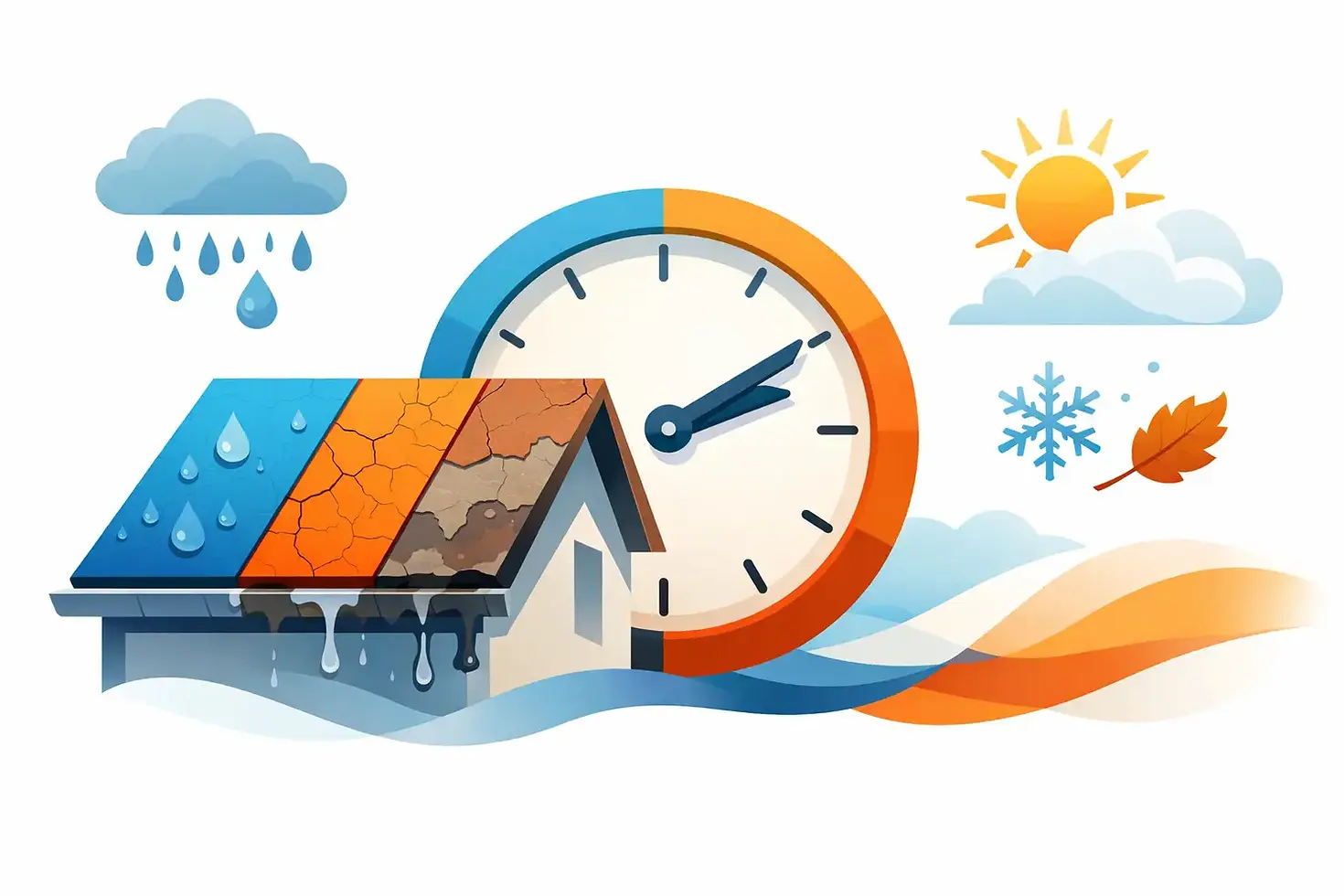
How Long Does Waterproofing Last?
- Waterproofing Specialist

- Apr 23
- 6 min read
A ceiling stain that comes back after "repair" is usually the moment property owners ask the real question: how long does waterproofing last? Not how fast it can be applied. Not how cheap it is. How long it will actually hold before the leak returns, the paint blisters again, and the same room needs another round of disruption.
The honest answer is this: waterproofing can last anywhere from a couple of years to well over a decade, depending on the area treated, the material used, surface preparation, weather exposure, and whether the real source of water intrusion was correctly diagnosed in the first place. That range is wide because waterproofing fails for two very different reasons. Either the system was never right for the building condition, or the work was treated like a surface patch instead of a permanent solution.
How long does waterproofing last in real conditions?
In real residential properties, waterproofing lifespan is never just about the product label. A membrane might be marketed for long service life, but if it is installed over a damp substrate, applied to cracked concrete without proper treatment, or used in the wrong area, the clock starts running down immediately.
As a rough working range, bathroom waterproofing often lasts 8 to 15 years when installed properly. Balcony and roof waterproofing may last 5 to 15 years, sometimes longer, depending on sun exposure, ponding water, movement, and maintenance. Exterior wall waterproofing can also fall within that range, but only if the coating or treatment is matched to the wall condition and water entry path.
That said, these numbers mean very little if the root cause was missed. A leaking ceiling below a bathroom upstairs might be blamed on failed bathroom waterproofing when the actual problem is a pipe joint, cracked grout line, movement at floor waste connections, or failed sealant at the shower screen. In those cases, new waterproofing alone will not deliver lasting results.
What affects how long waterproofing lasts?
The biggest factor is diagnosis. If the leak source is misidentified, even premium materials become an expensive delay. This is why specialist inspection matters so much in waterproofing work. Water travels. It shows up in one place and enters somewhere else.
The second factor is surface preparation. Good waterproofing bonds to a sound surface. Loose render, damp concrete, contaminated tiles, hairline cracks, failed sealants, and movement joints all need proper treatment before any membrane goes down. Skipping that stage is one of the fastest ways to shorten service life.
Material selection also matters. Not every waterproofing system belongs on every surface. Roofs deal with heat, UV exposure, and standing water. Bathrooms deal with constant moisture, joints, penetrations, and daily use. Balconies face movement, weather, drainage issues, and edge detailing. Exterior walls have to resist wind-driven rain while still working with the substrate underneath.
Then there is workmanship. Thickness, curing time, overlap details, corner reinforcement, and termination points all affect durability. Waterproofing often fails at the edges, joints, and penetrations first, not the large open area. That is why leak repairs done by general handymen often do not last. The vulnerable details are where specialist experience shows.
Roof waterproofing lifespan
Roof waterproofing tends to face the harshest conditions. Sun, rain, thermal expansion, debris buildup, and ponding water all put constant stress on the system. On a well-prepared roof with the right membrane, waterproofing may last 10 years or more. On a roof with poor drainage, movement cracks, or rushed application, failure can come much sooner.
Flat roofs are especially demanding. Water does not leave as quickly, and even small low spots can hold moisture long enough to exploit weak seams or thin areas. If the roof is used for foot traffic, servicing equipment, or storage, wear increases further.
This is why roof leaks often become repeat problems. The visible crack or seam gets patched, but the drainage issue, substrate damage, or adjacent failure point remains untouched. Lasting roof waterproofing is not just about covering the leak spot. It is about treating the whole failure pattern.
Bathroom waterproofing lifespan
Bathrooms are deceptive because the area looks controlled. Indoors, no sun, no storms, no direct weather exposure. But bathrooms are one of the most common sources of recurring leaks because they combine water, movement, joints, and hidden penetrations in a compact space.
A properly waterproofed bathroom can perform for many years. But if tiles are cracked, grout is deteriorated, shower corners are moving, or floor waste detailing is poor, water will find a route in. The waterproofing membrane below may still be intact in parts, yet the system as a whole is no longer protecting the structure.
Renovation quality matters here. Waterproofing installed during a fast bathroom remodel sometimes fails early because the substrate was not dry enough, the bond breakers were skipped, or penetrations were not sealed correctly. Once water starts getting below tiles, the damage can spread before it becomes visible downstairs.
Balcony and exterior wall waterproofing lifespan
Balconies sit in a difficult middle ground. They are exposed like a roof but built with more edges, door thresholds, joints, and movement stress. A balcony waterproofing system can last well when falls, drainage, detailing, and membrane compatibility are all correct. If any one of those is off, leaks may show up in the slab edge, adjacent wall, or ceiling below.
Exterior walls are similar. Many wall leak problems are not solved by simply painting over dampness. Water may be entering through porous masonry, cracked render, failed sealants around windows, or wall-to-slab junctions. If the treatment only covers the symptom area, the lifespan is short because the pathway remains active.
This is where advanced treatment systems and specialist application make a real difference. The goal is not to hide the stain. The goal is to stop water entry at the source and protect the structure for the long term.
Why some waterproofing fails early
Early failure usually comes down to one of five issues: wrong diagnosis, poor surface prep, wrong product, bad detailing, or patch-only thinking.
Patch-only work is common because it feels efficient. A contractor seals the crack, recoats the blistered area, or fills the joint that looks suspicious. Sometimes that buys time. Often it just moves the leak somewhere else. Water pressure and capillary movement are persistent. If the surrounding weak points remain, the property owner ends up paying twice.
Another reason for early failure is unrealistic expectations. No waterproofing system should be treated as maintenance-free forever. Buildings move. Sealants age. Drainage gets blocked. Exposure conditions change. Long-lasting waterproofing still benefits from periodic inspection, especially after major storms or if new signs like bubbling paint, musty odor, or damp wall patches appear.
How to make waterproofing last longer
The first step is choosing a specialist who inspects before prescribing. That protects you from generic fixes and makes it more likely the real leak path is identified. For homeowners, landlords, and property managers, this matters because every failed repair costs more than the first one.
The second step is matching the solution to the area. Roofs, bathrooms, balconies, and external walls each need different systems and detailing. A one-size-fits-all approach is usually where longevity starts to drop.
The third step is acting early. Waterproofing almost always lasts longer when the issue is treated before widespread substrate damage develops. Once water has been entering for months, surrounding materials weaken, adhesion becomes harder to achieve, and the repair scope increases.
Finally, get clarity on accountability. A serious waterproofing contractor should be able to explain what is being treated, why that method fits the failure, and what warranty backs the work. A defined warranty does not replace quality, but it does show confidence in durability.
So, how long does waterproofing last if you want a permanent result?
If the leak is properly diagnosed, the right system is used, and the application is done by licensed specialists, waterproofing should last for years, not months. In many cases, a well-executed system can protect a bathroom, roof, balcony, or wall for a decade or more. But when diagnosis is rushed or the work is treated like a cosmetic patch, the lifespan can be painfully short.
That is the real difference between temporary leak chasing and specialist waterproofing. One buys time. The other protects the building.
At Invisisealworks, that distinction matters because recurring leaks are rarely just product problems. They are diagnosis problems. If you are dealing with a ceiling leak, wall seepage, balcony moisture, or a roof that has already been "fixed" once, the better question is not just how long waterproofing lasts. It is whether the next repair is finally aimed at the true cause.


Comments