How to Prevent Outside Wall Leaks and Protect Your Home

Water leaking through walls is a homeowner’s nightmare. It can cause structural damage, mould growth, and costly repairs. The good news is that you can take effective steps to prevent outside wall leaks before they start or fix them if they already exist. I’ve learned a lot about this over the years, and I want to share practical, straightforward advice to help you protect your home.
Water doesn’t just sneak in through cracks. It can find its way through tiny gaps, faulty seals, or damaged surfaces. The key is to act early and understand how water behaves around your home’s exterior. Let’s dive into how you can stop wall leaks from the outside and keep your walls dry and strong.
How to Prevent Outside Wall Leaks: Essential Steps
Preventing outside wall leaks starts with a thorough inspection and maintenance routine. Here’s what I recommend:
Check your walls regularly for cracks, holes, or damaged paint. Even small cracks can let water in.
Maintain your gutters and downspouts. Blocked gutters cause water to overflow and run down your walls.
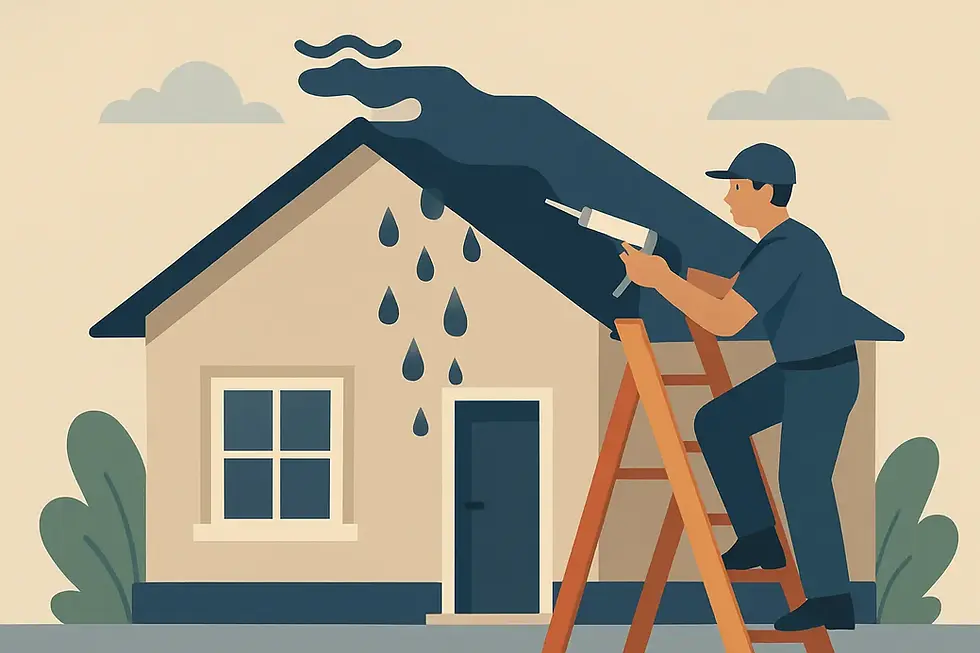
Seal gaps around windows and doors with high-quality waterproof sealant.
Apply waterproof coatings to your exterior walls. These coatings create a barrier that repels water.
Ensure proper drainage around your home. Water should flow away from your foundation, not towards it.
These steps are simple but powerful. They reduce the chances of water finding a way inside your walls. If you spot any damage, fix it immediately. Waiting only makes the problem worse.

Why is water coming through my walls when it rains but no leak?
Sometimes, water appears inside your home during rain, but you can’t find a clear leak. This happens because water can travel through materials in unexpected ways. Here are some common reasons:
Condensation: Warm, moist air inside your home can condense on cold walls, making it look like a leak.
Capillary action: Water can move through tiny pores in bricks or concrete, slowly seeping inside.
Faulty flashing: Flashing directs water away from joints and openings. If it’s damaged or missing, water can enter.
Poor ventilation: Without proper airflow, moisture builds up inside walls and causes dampness.
Understanding these causes helps you address the root problem. Sometimes, improving ventilation or adding insulation can solve the issue without major repairs.
Tools and Materials You Need to Stop Wall Leaks from Outside
Before you start fixing or preventing leaks, gather the right tools and materials. Here’s a list that will make your job easier:
Waterproof sealant - For sealing cracks and gaps.
Exterior waterproof paint or coating - To protect wall surfaces.
Caulking gun - For applying sealant neatly.
Putty knife - To smooth out sealant or filler.
Wire brush - To clean surfaces before sealing.
Ladder - To reach higher walls safely.
Protective gloves and goggles - For safety during work.
Drainage tools - Such as a shovel or trenching tool if you need to improve ground slope.
Having these ready means you can work efficiently and get the best results.

Step-by-Step Guide to Fixing Wall Leaks from the Outside
Now, let me walk you through a simple process to fix wall leaks from the outside. Follow these steps carefully:
Inspect the wall: Look for cracks, holes, or peeling paint.
Clean the area: Use a wire brush to remove dirt, loose paint, and debris.
Seal cracks and gaps: Apply waterproof sealant with a caulking gun. Smooth it with a putty knife.
Apply waterproof coating: Once the sealant dries, paint the wall with a waterproof exterior coating.
Check gutters and drainage: Clear any blockages and ensure water flows away from the wall.
Improve ground slope: If water pools near your walls, dig a shallow trench to redirect it.
This method works well for most common leaks. If you have persistent problems, it might be time to consult a professional for advanced solutions.
Long-Term Tips to Keep Your Walls Leak-Free
Fixing leaks is important, but preventing them from coming back is even better. Here are some long-term tips I follow to keep my walls dry:
Regularly inspect your home’s exterior at least twice a year.
Maintain your roof and gutters to prevent water overflow.
Trim plants and trees near walls to avoid moisture buildup.
Use quality materials when repairing or painting walls.
Install proper flashing around windows, doors, and roof edges.
Consider professional waterproofing treatments for older homes or severe cases.
By staying proactive, you save money and protect your home’s value.
If you want to learn more about how to stop wall leaks from outside, there are many resources and specialists who can guide you through advanced techniques.
Protect Your Home with Confidence
Water leaks can cause serious damage, but they don’t have to. With the right knowledge and tools, you can prevent outside wall leaks and keep your home safe. Remember, early action is key. Regular checks, proper sealing, and good drainage make all the difference.
Take control today. Protect your walls, protect your investment, and enjoy peace of mind knowing your home is secure against water damage.


Comments