Prevent Wall Water Leaks: Outdoor Solutions to Protect Your Home

Water leaks in walls can cause serious damage to your home. They lead to mould, structural issues, and costly repairs. The good news is that many leaks can be prevented by focusing on outdoor solutions. I want to share practical, straightforward ways to protect your home from water intrusion. These methods are proven, easy to understand, and effective.
How to Prevent Wall Water Leaks from the Outside
The first step in preventing wall water leaks is to control water before it reaches your walls. Water should be directed away from your home’s foundation and walls. Here are some key outdoor strategies:
Maintain Gutters and Downspouts: Clean gutters regularly to avoid blockages. Ensure downspouts extend at least 1.5 metres away from the house. This prevents water from pooling near your walls.
Grade Your Yard Properly: The ground around your home should slope away at a rate of about 2.5 cm per metre for at least 3 metres. This slope directs rainwater away from your walls and foundation.
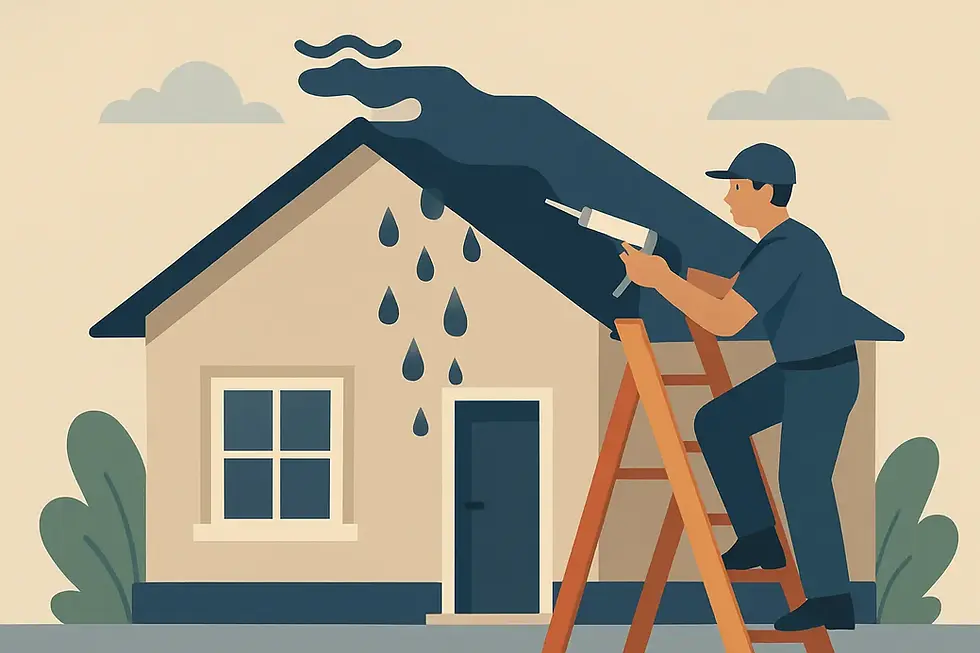
Seal Exterior Walls: Use waterproof sealants on exterior walls, especially around windows and doors. This creates a barrier that stops water from seeping in.
Inspect and Repair Cracks: Check your walls for cracks or gaps. Even small openings can let water in. Use appropriate fillers or caulking to seal these areas.
Install a Drainage System: If your property has poor drainage, consider installing French drains or surface drains to channel water away.
These steps are simple but powerful. They reduce the chances of water finding its way into your walls. Remember, prevention is always better than repair.

Common Outdoor Causes of Wall Leaks and How to Fix Them
Understanding what causes wall leaks outside helps you tackle the problem at its source. Here are the most common causes and how to fix them:
1. Poor Roof Drainage
If your roof doesn’t drain well, water can overflow and run down your walls. This constant wetting weakens wall materials and causes leaks.
Fix: Ensure gutters are sized correctly and free of debris. Check that downspouts are not clogged and direct water far from the house.
2. Cracked or Damaged Exterior Walls
Walls can develop cracks due to settling, weather, or impact. These cracks allow water to enter.
Fix: Inspect walls regularly. Use masonry sealant or waterproof paint to cover cracks. For larger damage, consult a professional for repairs.
3. Faulty Window and Door Seals
Windows and doors are common leak points. Old or damaged seals let water seep in.
Fix: Replace worn weatherstripping and apply waterproof caulk around frames. Consider upgrading to water-resistant window designs.
4. Poor Landscaping and Drainage
Flat or low-lying yards trap water near your home. This increases pressure on walls and foundation.
Fix: Regrade your yard to slope away from the house. Add drainage solutions like swales or French drains if needed.
5. Blocked or Missing Flashing
Flashing directs water away from joints and openings. Missing or damaged flashing causes leaks.
Fix: Inspect flashing around chimneys, vents, and roof edges. Replace or repair damaged sections promptly.
By addressing these causes, you can significantly reduce the risk of wall leaks. It’s about creating a dry, well-protected exterior environment.

Does Homeowners Insurance Cover Water Leaks in Walls?
Many people wonder if their insurance will cover water damage from wall leaks. The answer depends on the cause and your policy details.
Typically, homeowners insurance covers sudden and accidental water damage. For example, if a pipe bursts inside your wall, the resulting damage is usually covered.
However, damage caused by gradual leaks or poor maintenance is often excluded. Insurance companies expect homeowners to prevent leaks through regular upkeep.
Here are some points to consider:
Check your policy carefully: Look for water damage coverage and exclusions.
Document maintenance: Keep records of gutter cleaning, repairs, and inspections.
Act quickly: Report leaks and damage as soon as you notice them to avoid worsening problems.
Consider additional coverage: Some insurers offer endorsements for water backup or seepage.
While insurance can help with unexpected leaks, the best approach is prevention. Fixing issues early and maintaining your home reduces the chance of costly claims and repairs.
Practical Outdoor Waterproofing Techniques to Stop Wall Leaks
Waterproofing your home’s exterior is a smart investment. It creates a strong barrier against moisture and protects your walls long-term. Here are some effective outdoor waterproofing methods:
Exterior Waterproof Coatings
Applying a waterproof coating to your walls seals pores and cracks. These coatings are flexible and durable, suitable for brick, concrete, and stucco.
Choose a product designed for your wall material.
Clean the surface thoroughly before application.
Apply multiple coats for best results.
Waterproof Membranes
For more serious protection, waterproof membranes can be installed beneath siding or cladding. These membranes block water from penetrating the wall structure.
Usually installed during construction or major renovations.
Requires professional installation for best performance.
Flashing and Sealant Upgrades
Upgrade flashing around windows, doors, and roof edges. Use high-quality sealants to close gaps and joints.
Inspect flashing annually.
Replace damaged or missing sections immediately.
Landscaping Adjustments
Modify your landscaping to improve drainage. Use gravel beds, swales, or retaining walls to divert water.
Avoid planting water-loving plants near walls.
Keep soil levels below siding to prevent moisture wicking.
Regular Maintenance
Waterproofing is not a one-time job. Regularly inspect and maintain your home’s exterior to catch problems early.
Clean gutters and downspouts every season.
Check for cracks and reseal as needed.
Monitor drainage and yard grading.
By combining these techniques, you create a comprehensive shield against water intrusion. This approach helps you stop wall leaks from outside effectively and permanently.
Long-Term Benefits of Outdoor Leak Prevention
Investing time and effort into outdoor leak prevention pays off in many ways:
Protects your home’s structure: Water damage weakens walls and foundations. Prevention keeps your home strong.
Saves money on repairs: Fixing leaks early avoids expensive restoration work.
Improves indoor air quality: Preventing leaks stops mould growth and damp smells.
Increases property value: A well-maintained, leak-free home is more attractive to buyers.
Provides peace of mind: Knowing your home is protected from water damage reduces stress.
Water leaks are a common problem, but they don’t have to be. With the right outdoor solutions, you can keep your walls dry and your home safe for years to come.
Taking control of water around your home is the best way to prevent leaks. Start with simple steps like cleaning gutters and grading your yard. Then move on to sealing walls and upgrading flashing. Regular maintenance is key. Remember, the goal is to create a dry, well-drained exterior that stops water before it reaches your walls.
By focusing on these outdoor solutions, you protect your investment and enjoy a healthier, more comfortable living space. Don’t wait for leaks to appear - act now and keep your home safe from water damage.


Comments