
What to Expect During Waterproofing Inspection

A ceiling stain that keeps growing after every storm usually means one thing - the real problem has not been found yet. If you are searching for what to expect during waterproofing inspection, you are probably not looking for theory. You want answers, a clear process, and confidence that the next repair will solve the leak instead of buying a few dry weeks.
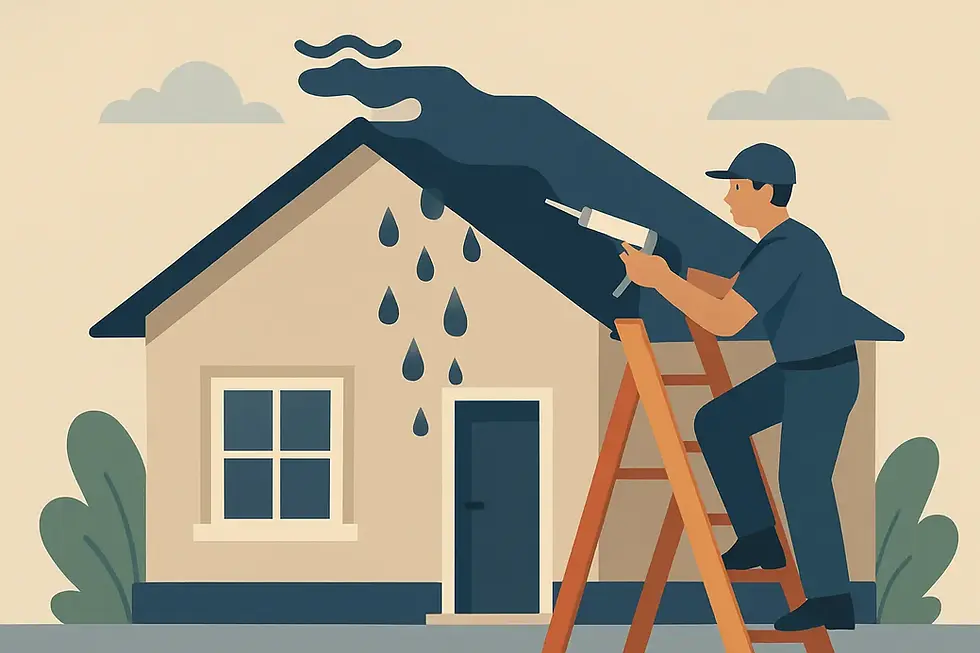
That is exactly what a proper inspection is meant to do. A waterproofing inspection is not just someone looking at a damp patch and guessing. It is a structured assessment of where water is entering, how it is traveling, what building element has failed, and which repair method will actually last.
What a waterproofing inspection is really for
Most water intrusion problems are deceptive. The spot where you see damage is often not the spot where water gets in. A ceiling leak may start at a roof joint several feet away. A bubbling interior wall may be caused by cracked exterior render, failed sealant around a window, or balcony membrane breakdown above.
The inspection exists to separate symptoms from cause. That matters because patchwork repairs often fail for a simple reason - they treat the visible damage, not the entry point. A specialist inspection is designed to identify the source, the path, and the correct waterproofing system for that exact area, whether it is a roof, bathroom, balcony, or external wall.
What to expect during waterproofing inspection at your property
In most cases, the inspection starts before anyone arrives. You may be asked to send photos of the leak, staining, peeling paint, or mold-affected area. This helps speed up initial triage and gives the inspector context before the site visit. It does not replace the inspection, but it helps narrow the likely causes.
Once on site, the inspector will usually begin by asking when the issue happens. Does it leak only during heavy rain, after shower use, or when water ponds on a balcony? Has it been repaired before? Did the problem get better for a while and then return? These details are more useful than many people realize because timing often points directly to the failing system.
From there, the inspection becomes hands-on. The affected area inside the property is checked first, but the real focus is often outside or above it. If you have a stained ceiling, the roof, terrace, or plumbing-related wet area above may need to be examined. If you have interior wall dampness, exterior cracks, joints, window perimeters, and facade exposure may be part of the assessment.
A good inspector is not there to offer a quick guess. They are there to trace the leak logically.
Areas the inspector will usually examine
The exact scope depends on the property and the symptom, but most inspections cover visible damage, likely entry points, and construction details that commonly fail over time.
For roof leaks, attention usually goes to ponding areas, laps and seams, flashing, penetrations, outlet points, parapet joints, and surface cracks. For bathrooms, the inspection may focus on tile joints, shower corners, floor waste areas, wall-floor junctions, and signs that the underlying membrane has failed. For balconies, surface movement cracks, drainage issues, railing penetrations, and edge detailing are common problem points. For external walls, cracked render, porous surfaces, failed sealants, and weak transitions around windows are often part of the review.
The inspector is also looking for water patterns. Staining, blistering, salt deposits, softened finishes, and mold growth can all help show whether the leak is active, old, widespread, or localized.
Expect questions about the leak history
This part is easy to overlook, but it matters. If you have had repeat repairs, say so. If a handyman applied sealant six months ago and the leak came back, that changes the diagnosis. If the problem only appears with wind-driven rain, or only after the upstairs bathroom is used, that narrows the source quickly.
Photos from earlier stages can help too. A stain that started near a wall corner and spread inward tells a different story than a sudden central ceiling drip. Good waterproofing decisions depend on patterns over time, not just what is visible on the inspection day.
Non-invasive first, then targeted recommendations
In many residential cases, the inspection is primarily visual and non-invasive. The specialist checks surfaces, junctions, drainage behavior, crack lines, moisture clues, and the relationship between the damaged area and surrounding building elements. If the cause is clear, that may be enough to recommend a repair plan.
Sometimes, though, the answer is not obvious from surface signs alone. Water can travel behind finishes, below tiles, or through concealed transitions. In those cases, the inspector may recommend a more targeted follow-up approach rather than pretending to be certain too early. That is a good sign, not a bad one. It means the diagnosis is being handled responsibly.
What you should get from a proper inspection
By the end of the inspection, you should have more than a vague statement that your property has a leak. You should understand the likely source, the affected area, the urgency, and the repair direction.
A strong inspection outcome usually includes a plain-language explanation of what has failed, why the leak is happening, and what waterproofing method is appropriate. It should also make clear whether the issue is isolated or whether adjacent areas are at risk. If a balcony membrane has failed because of age and surface cracking, for example, the recommendation may involve more than sealing one visible gap. If an exterior wall is absorbing water through multiple cracks and porous sections, spot patching may not be the durable answer.
This is where specialist waterproofing contractors separate themselves from general repair crews. The goal is not to make the stain disappear temporarily. The goal is to stop water intrusion at its source and keep it stopped.
What to expect during waterproofing inspection if you want a long-term fix
If your priority is permanence, expect the inspection to be solution-driven, not patch-driven. That means the specialist will match the repair method to the structure, exposure level, and failure type. Different areas need different systems, and using the wrong product is one of the main reasons leaks return.
A bathroom leak and an external wall leak may both show up as interior dampness, but they do not get treated the same way. Roof surfaces, balconies, facade cracks, and wet-area membranes all fail differently and demand different waterproofing approaches. This is also where advanced materials and application methods can make a real difference. A contractor focused on long-term performance will explain the system being proposed, not just the price.
You should also expect clarity around warranty and scope. If a company is confident in its diagnosis and method, it should be able to explain what is covered and what outcome you can realistically expect. That kind of accountability matters when you are trying to avoid another cycle of failed repairs.
How to prepare before the inspector arrives
You do not need to do much, but a little preparation makes the visit more productive. Clear access to the affected room, roof hatch, balcony, bathroom, or exterior wall if possible. Gather any previous repair records, invoices, or photos. Make a note of when the leak occurs and whether weather or water usage triggers it.
If you can safely take photos in advance, do it. Wide shots help show location, and close-ups help show texture, cracks, and staining. For many homeowners and property managers, sending photos ahead of time speeds up the quoting process and helps move from problem to plan faster.
Red flags during an inspection
You should be cautious if the inspector barely checks surrounding areas, ignores the building element above or outside the damage, or recommends a fix within minutes without asking how the leak behaves. Water intrusion diagnosis takes pattern recognition and building knowledge.
Another red flag is a repair recommendation that sounds too generic. Not every leak needs a full replacement, but not every leak can be solved with surface sealant either. If the explanation is thin, the repair often is too.
Companies that specialize in leak diagnosis and long-term waterproofing usually sound different. They ask more precise questions, inspect more methodically, and speak in terms of cause, system, and durability. That is the standard property owners should expect.
For homeowners, landlords, and property managers, the real value of an inspection is simple: certainty. A good waterproofing inspection reduces guesswork, prevents wasted repair spending, and gives you a path toward a fix that lasts. If you are dealing with recurring ceiling or wall leaks, getting the source identified correctly is not the extra step. It is the step that saves the rest of the job.


Comments